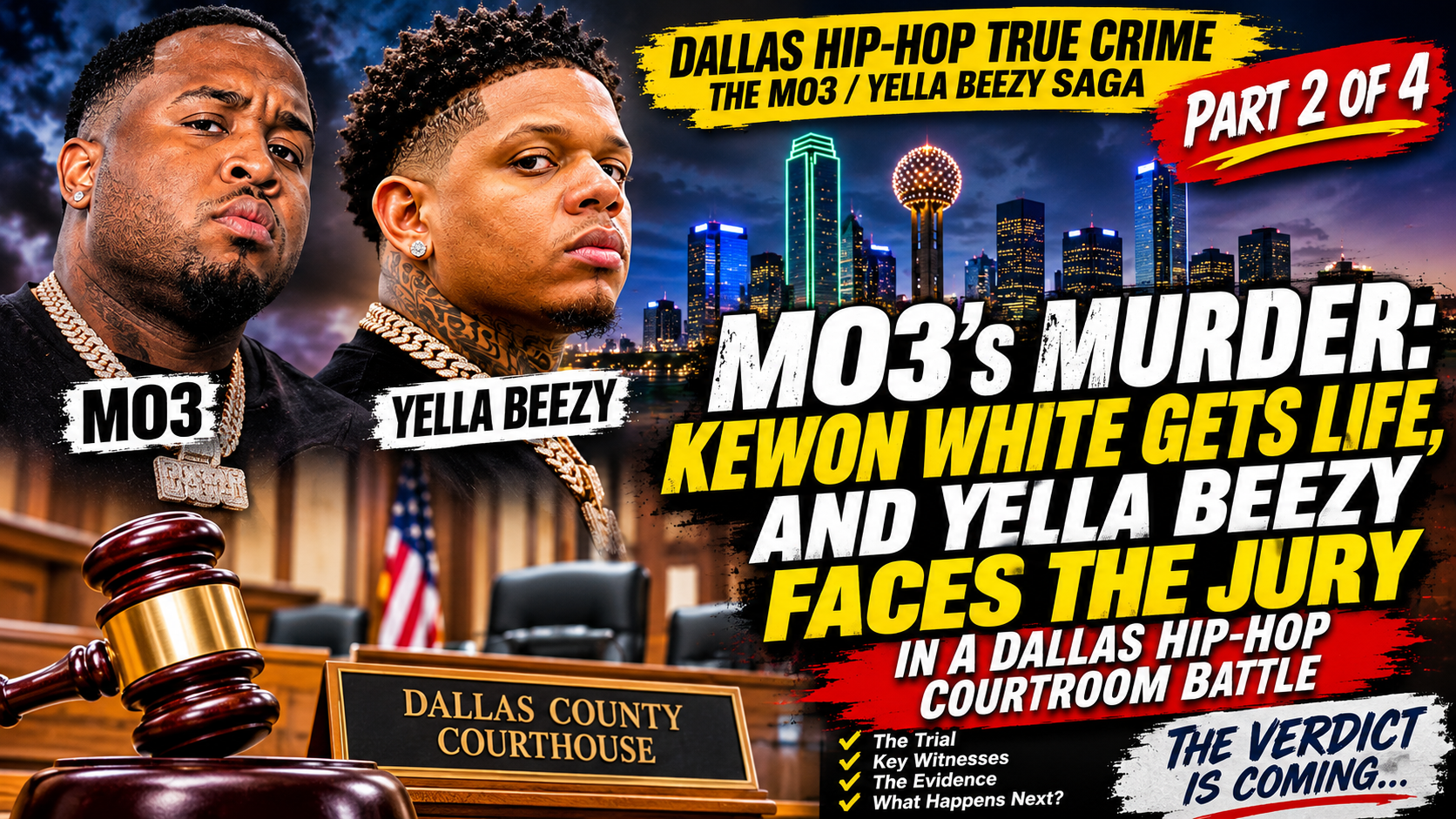
Dallas Hip-Hop True Crime Series — Part Two
The music rivalry became a murder investigation. One man has been convicted. Now another Dallas rapper is fighting for his freedom in a courtroom.
Read Part One: The Dallas Rap Rivalry Behind the MO3 Case.
On November 11, 2020, Dallas hip-hop lost one of its most recognizable voices.
Melvin Noble, known to fans as MO3, was just 28 years old when he was murdered on Interstate 35E in Dallas. His death shocked the music community, devastated fans, and left a city looking for answers.
For years, MO3 and fellow Dallas rapper Yella Beezy had been connected to a public rivalry that played out through music, social media, and personal confrontations.
But after MO3 was killed, the story moved far beyond rap beef.
Investigators began piecing together a case involving multiple suspects, alleged payments, cell phone records, surveillance footage, and claims of a murder-for-hire plot.
Now, nearly six years later, one defendant has been convicted, and Yella Beezy is standing trial for capital murder.
This is the next chapter in the Dallas hip-hop story that has kept fans, music insiders, and true-crime followers watching.
November 11, 2020: MO3 is murdered on I-35E
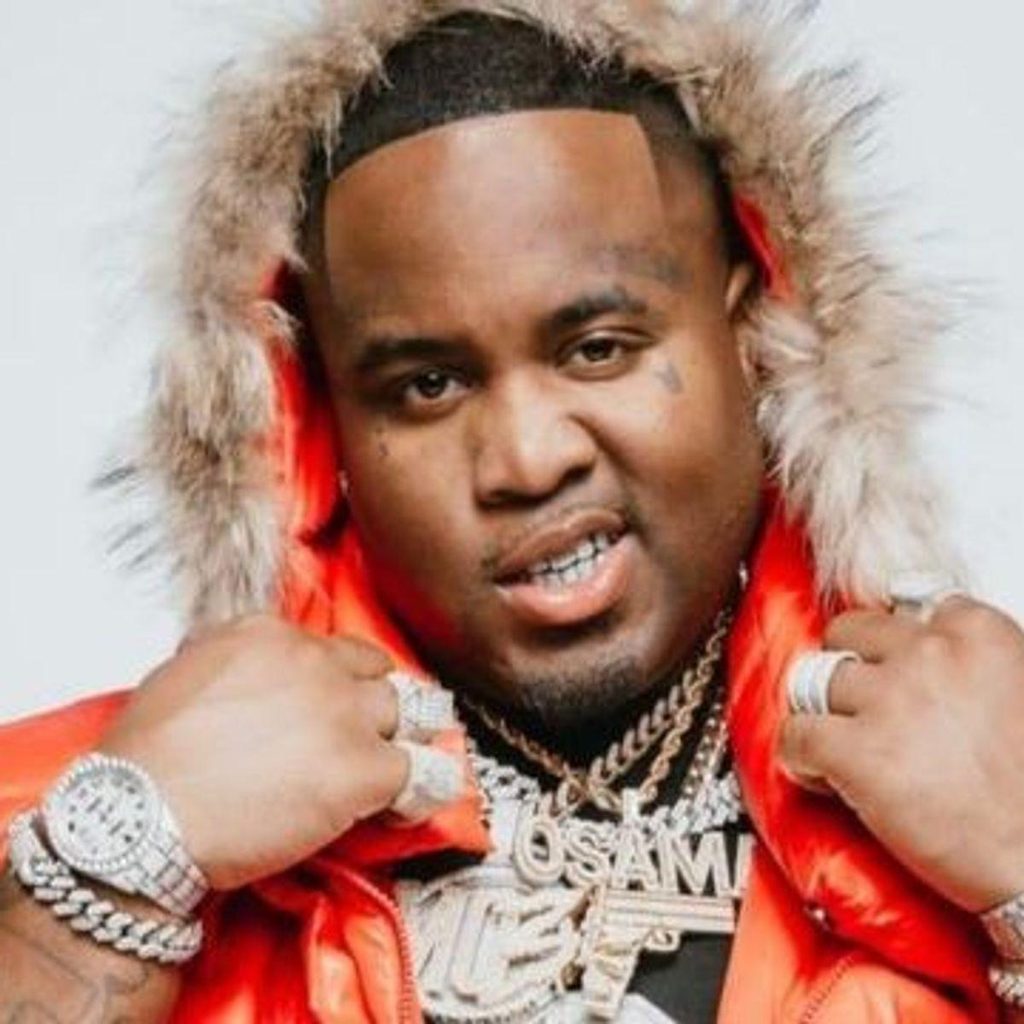
The day began like any other day in Dallas, but it ended in tragedy.
MO3 was driving on Interstate 35E when a gunman approached his vehicle. According to investigators and evidence later presented in court, the shooter pursued MO3 after he left his car and ran along the highway.
MO3 was shot and later died at a hospital.
The killing was especially disturbing because it happened in broad daylight on a busy Dallas highway. It wasn’t just a story about a rapper losing his life. It was a violent public killing that left witnesses and an entire music community shaken.
A witness, Dr. Randall Graham, later testified that he encountered the gunman and attempted to help MO3 after the shooting. Graham described the frightening experience and told jurors about trying to perform CPR.
Investigators collected shell casings, examined vehicles, reviewed video, and began working to identify the person responsible.
For MO3’s family and fans, the questions were immediate: Who killed him? Why? And was the shooting connected to the tensions that had surrounded the Dallas rap scene?
The investigation leads to Kewon White
As detectives worked the case, attention turned to Kewon White.
White was arrested in December 2020 and eventually charged with capital murder. Prosecutors identified him as the gunman who killed MO3.
The investigation would also bring Devin Brown, known as “Chicago,” into the case. Prosecutors alleged that Brown played a role in tracking MO3 and helping coordinate the attack.
Another important name was Jerry Johnson, whom investigators described as a middleman in the alleged arrangement.
The prosecution’s larger theory was that MO3’s killing was not simply a spontaneous act of violence. They alleged it was a planned murder-for-hire operation connected to the long-running conflict between MO3 and Yella Beezy.
That allegation would eventually put Yella Beezy, whose legal name is Markies Conway, at the center of the courtroom battle.
But investigators still had to prove what happened, who participated, and whether the evidence connected each person to the crime.
The money trail becomes a major part of the case
One of the most important parts of the investigation involved money.
Prosecutors alleged that MO3’s killing was financed through payments and arrangements involving several people. They pointed to financial records, cash withdrawals, communications, surveillance footage, and meetings they said helped establish how the alleged plot was organized.
During the proceedings involving White, prosecutors presented evidence about an alleged $20,000 payment and other financial activity. They also pointed to a $40,000 cash withdrawal by Conway on November 20, 2020, nine days after MO3 was killed.
The prosecution argued that the financial evidence supported its theory of a murder-for-hire arrangement.
The defense has challenged the interpretation of that evidence. A cash withdrawal by itself does not prove that money was used to pay for a murder. The prosecution must establish the connection through admissible evidence.
That distinction would become especially important when Conway’s own trial began.
September 2026: Kewon White is convicted
The first major courtroom milestone came in September 2026.
After hearing evidence about MO3’s killing, jurors found Kewon White guilty of capital murder on September 4, 2026. He was sentenced to life in prison without the possibility of parole.
For MO3’s family and supporters, the verdict was a major development in a case that had remained unresolved for years.
White’s conviction established his criminal responsibility for the murder under the jury’s verdict. But it did not decide whether Yella Beezy was involved in arranging or financing the killing.
That question would have to be answered in a separate trial.
And that brings us to the courtroom battle now unfolding in Dallas.
October 2026: Yella Beezy goes on trial
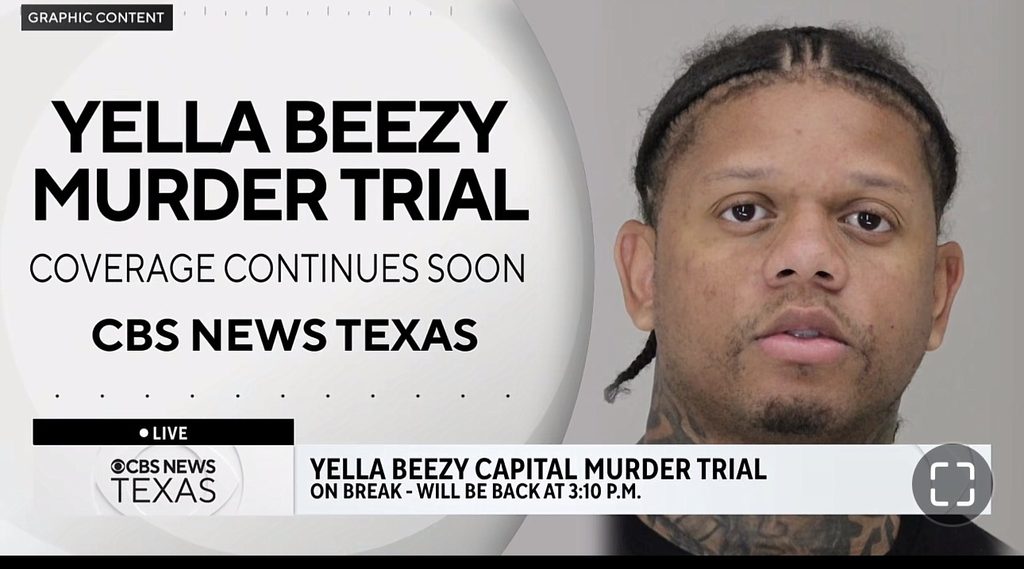
Yella Beezy was arrested and charged with capital murder in March 2025. Prosecutors accused him of arranging and financing the killing of MO3.
Conway has pleaded not guilty and denied involvement.
His trial began in late October 2026. On October 26, the court seated 12 jurors and three alternates. Opening statements followed on October 27.
The prosecution’s job is to convince the jury that Conway participated in a murder-for-hire arrangement that led to MO3’s death.
The defense’s job is to challenge that theory and show why the evidence does not establish his guilt beyond a reasonable doubt.
The courtroom has already heard from witnesses, investigators, and people whose names have appeared throughout the case.
One of the most talked-about witnesses has been Theodore Thomas, better known in the music world as Jose Bodega.
Jose Bodega’s testimony takes an unexpected turn
Thomas became an important figure because of statements he previously made to a grand jury.
In those earlier statements, he described information about the alleged feud and claimed that money had been discussed in connection with MO3’s killing. His earlier account implicated Conway and Devarius Moore, known as Trapboy Freddy, in the alleged funding arrangement.
But when Thomas returned to court in November, his story changed dramatically.
He told jurors that he had made up the earlier statements.
Prosecutors confronted him with his previous testimony, including his statements about an alleged $40,000 payment. Thomas said those statements were lies.
He explained that he had been under pressure because of his own legal problems and feared a possible lengthy federal prison sentence.
The defense highlighted that pressure when questioning his credibility.
It was a dramatic moment because the prosecution had to deal with a witness who was no longer standing behind the story he had previously told investigators.
For jurors, the question is not simply what Thomas said before or what he says now. They must consider his credibility, the circumstances surrounding his statements, and whether other evidence supports either account.
Friday, November 6: Detective Eric Barnes faces tough questioning
This was one of the most important developments of the trial so far.
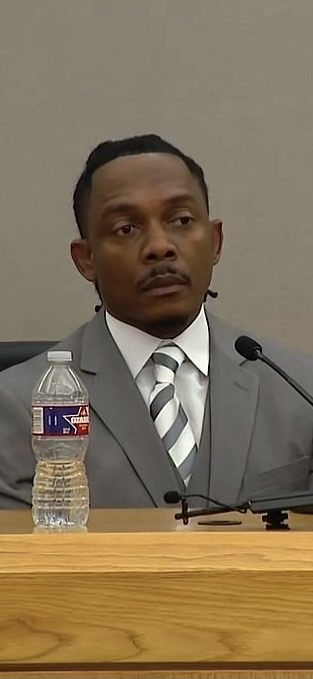
On Friday, November 6, lead Dallas Police Detective Eric Barnes returned to the witness stand. Barnes has been central to the investigation and has explained how detectives developed their theory of the alleged murder-for-hire plot.
But Friday’s testimony was not simply a presentation of the prosecution’s case.
The defense began pressing Barnes on the investigation itself, challenging the way detectives interpreted evidence and built their conclusions.
The disputed November 9 text message
One of the biggest courtroom moments involved an iCloud text exchange that prosecutors said Conway sent to his girlfriend on November 9, 2020 — just two days before MO3 was killed.
The message included the statement:
“We all told him, don’t grab no gun. We got other [men] for that.”
Prosecutors argued that the message showed Conway had access to other people who could carry out shootings.
The defense pushed back. Attorneys argued that the wording was vague and could refer to security or other people handling a conflict. They challenged the prosecution’s attempt to present it as evidence of a murder-for-hire arrangement.
Judge Chika Anyiam allowed a redacted version of the text exchange into evidence.
However, the judge also sustained a defense objection when prosecutors tried to directly connect the message to the alleged murder-for-hire plot.
That distinction matters. Jurors were allowed to hear the message, but the judge did not simply accept the prosecution’s interpretation as established fact.
The alleged payment and the jailhouse call
Another major issue involved a recorded jailhouse call from Kewon White.
Prosecutors wanted jurors to hear White’s alleged statement about having been paid “20 bands.” The state argued that the recording supported its theory about the money used in the alleged plot.
The defense objected, arguing that White’s statement was hearsay and did not identify Conway as the person who supposedly paid him.
The judge ruled that the specific statement about being paid could not be played to jurors to directly tie the alleged payment to Conway. The ruling limited what prosecutors could use from that recording.
This was a significant moment because the prosecution has to establish a connection between Conway and the alleged payment, not simply show that White possessed money.
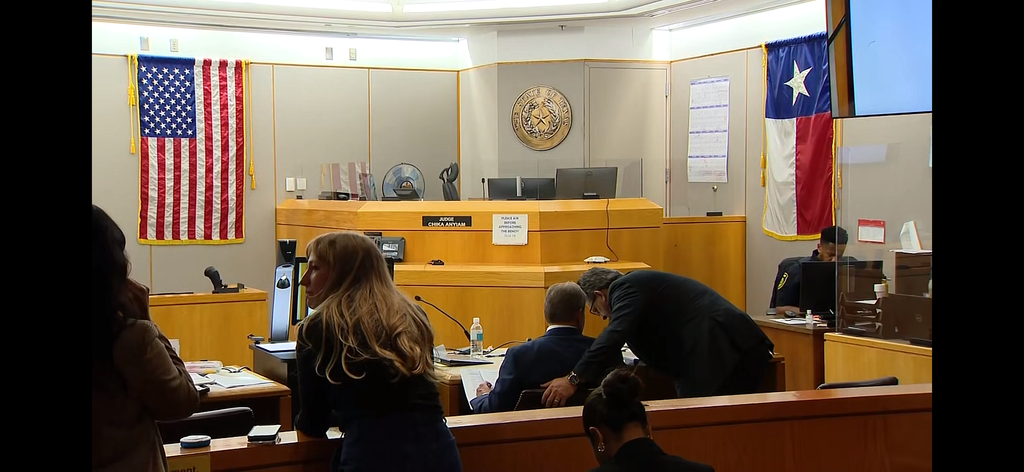
Defense challenges the investigation
The defense also questioned the way investigators developed their case.
Attorneys raised concerns about the fact that Conway was indicted by a grand jury rather than being arrested through a standard arrest-warrant affidavit.
They challenged the credibility of informant Cedric Bradley, pointing out that Bradley initially said he knew nothing about MO3’s murder before later implicating White.
The defense argued that Bradley had significant reasons to cooperate, including the possibility of facing decades in prison and potential federal charges.
Barnes also discussed cell tower information and airline records that investigators used to trace Conway’s travel between Dallas and California around the time of the murder.
The prosecution presented those records as part of its effort to corroborate witness accounts. The defense questioned what those records actually established.
This is the heart of a criminal trial: investigators can explain what they believe the evidence means, but the jury must decide whether the evidence proves the charges.
The defense presents another possible motive
Friday also brought attention to an alternative theory involving Devin Brown.
The defense pointed to a personal dispute involving Brown, the mother of his children, and MO3.
According to the defense’s presentation, MO3 had become involved with Brown’s former partner. The defense also highlighted a video in which MO3 displayed diamond chains and cash on Brown’s young sons.
The defense argued that this could have humiliated Brown and created a separate motive for violence.
Attorneys also pointed to videos showing Brown with large amounts of cash before MO3’s death. They argued that Brown had access to money independently of Conway.
This is the defense’s argument, not a finding that Brown acted alone or that the prosecution’s theory is false.
But it is an important part of the trial because the jury must evaluate competing explanations and decide whether prosecutors have proved Conway’s guilt.
What happened when court adjourned Friday?
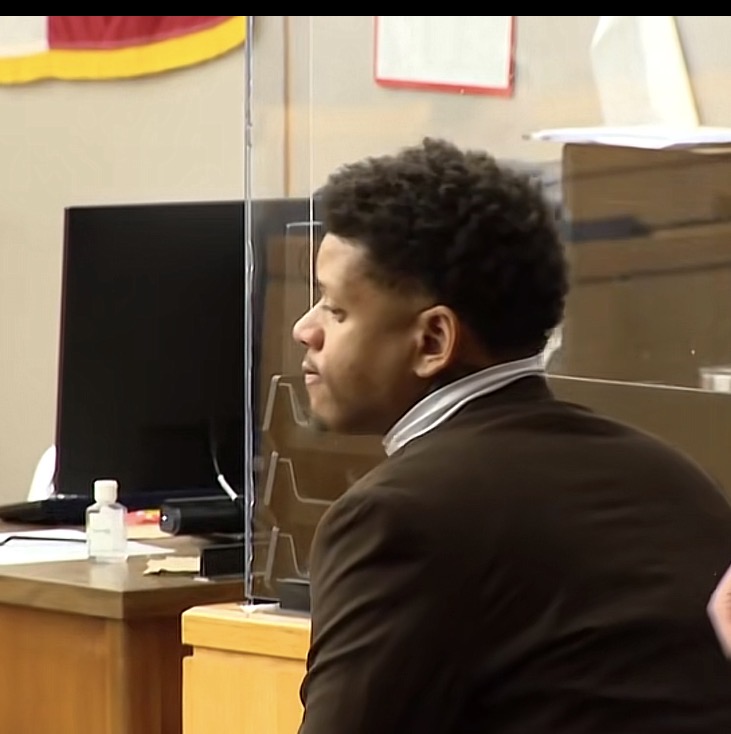
By the end of the day on November 6, jurors were dismissed for the weekend.
The judge instructed them not to discuss the case, follow it on social media, or form opinions before deliberations.
The court also considered a separate dispute about video evidence involving Devin Brown. The judge sustained the prosecution’s objection to audio containing Brown’s statements.
Testimony is expected to continue Monday, November 9.
As of Saturday, November 7, 2026, Yella Beezy’s trial is still underway. There has been no verdict in his case.
What happens next?
There are still major questions for the jury to consider.
Can prosecutors establish that Conway financed or arranged MO3’s killing?
Will the financial records, text messages, phone data, and witness testimony convince jurors?
Will the defense succeed in raising reasonable doubt by challenging the investigation and presenting an alternative explanation?
And how much weight will jurors give to the changing testimony of Jose Bodega and the testimony of Detective Barnes?
The case is not over, and the answers will come through the evidence presented in court.
Devin Brown, the third defendant charged in connection with the alleged murder-for-hire plot, is also expected to face a separate trial.
The bigger story: Dallas hip-hop is still looking for answers
For fans who followed MO3’s music, this case is about much more than courtroom arguments.
MO3 was an artist whose music connected with people. His death left behind a family, friends, collaborators, and fans who never got to see what his career might have become.
Yella Beezy is also a Dallas artist with a career and a future that now hang in the balance of a serious criminal case.
There is a lot of emotion surrounding this story, and it is easy to get caught up in the headlines. But the difference between an accusation and a conviction matters.
Kewon White has been convicted. Yella Beezy has pleaded not guilty and is entitled to the presumption of innocence while his trial continues.
The jury must decide what the evidence proves.
One thing is certain: the MO3 case has become one of the most closely watched criminal cases connected to the Dallas hip-hop scene.
And as the trial continues, Dallas is still waiting for answers.
This concludes Part Two of the Fun For Fans Dallas Hip-Hop True Crime series.
Follow Fun For Fans for continued coverage of the Yella Beezy trial and the latest developments in the MO3 case.
Editorial note: This article reflects publicly reported developments through November 7, 2026. Allegations are attributed to prosecutors, defense arguments are identified as such, and court rulings are distinguished from claims made by either side. Yella Beezy has pleaded not guilty and has not been convicted in this case.

